
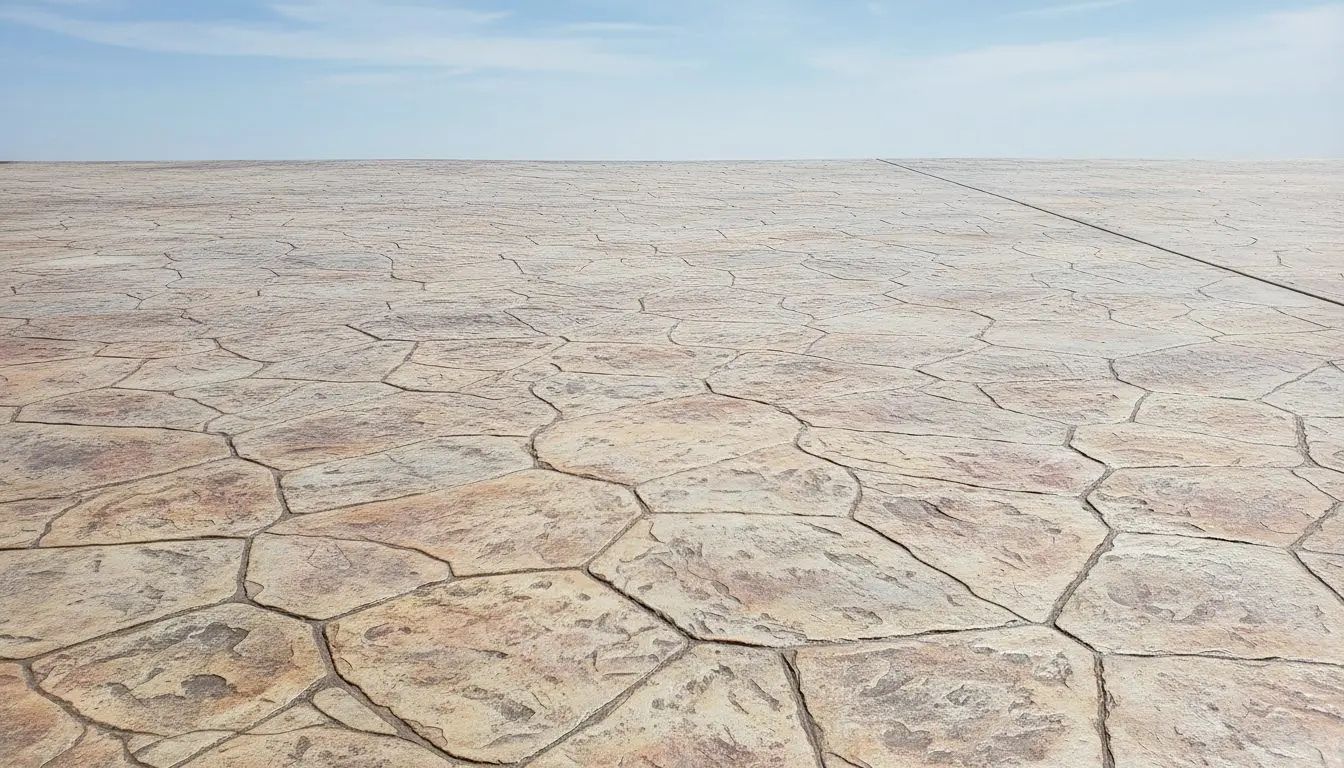
Decorative Concrete in Little Rock
Stamped, Stained and Polished Concrete That Holds Its Color
Stamped patterns, integral color and exposed aggregate finishes sealed to handle Arkansas sun and hold their color for years, not one season.
What Goes Into a Finish That Holds Its Color
You get a stamped, stained or exposed aggregate surface that holds its color and texture well past the first summer.
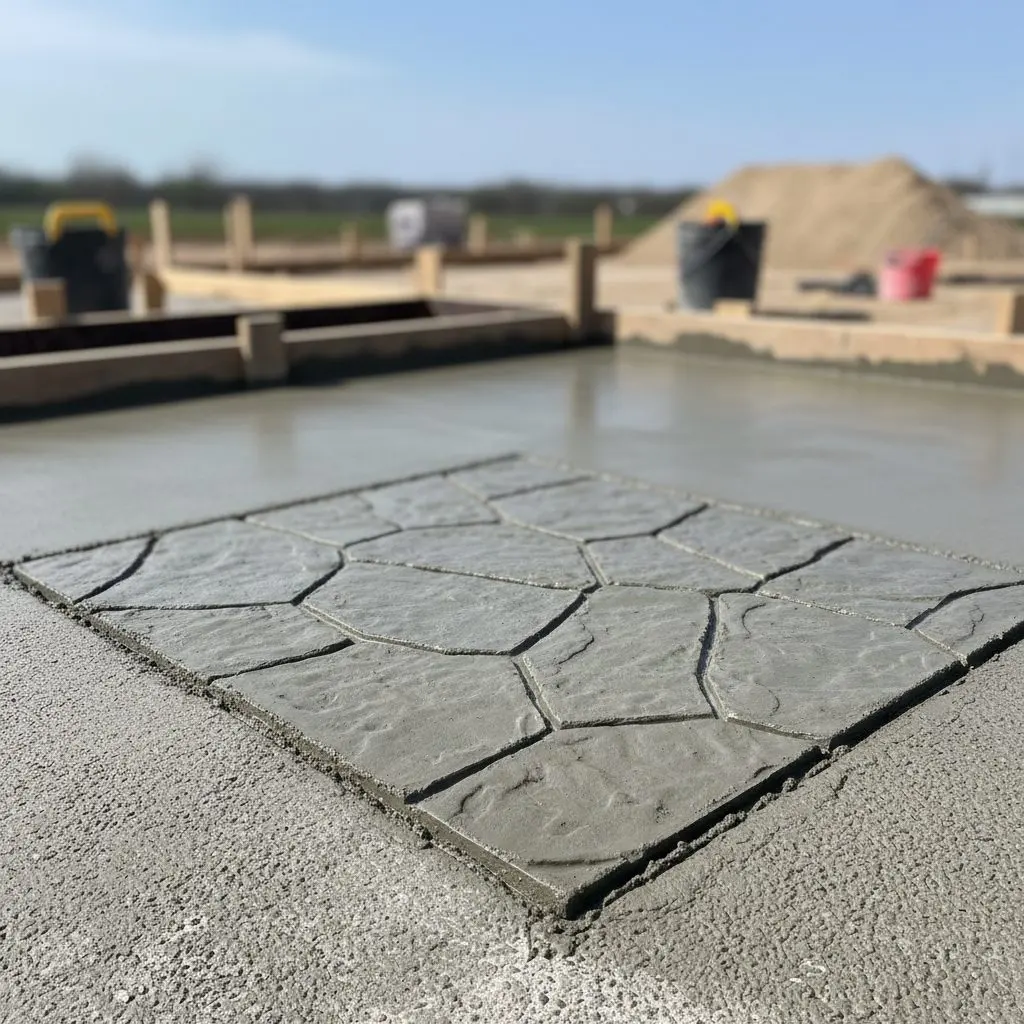
This category covers stamped patterns, integral and acid-stained color, exposed aggregate and polished interior floors, applied to a new pour or a sound existing slab.
It does not cover a plain broom-finished driveway or patio, which sits under Driveways and Parking or Patios and Walkways, or fixing a cracked slab before a decorative finish can go on it, which is Concrete Repair.
More than 300 stamped, stained and exposed aggregate slabs finished across central Arkansas since 2011, from patios to pool decks.
Most calls are for a stamped patio or driveway in a slate or cobblestone pattern, followed by acid or water-based staining on an existing slab, and exposed aggregate for pool decks and walkways that need grip underfoot when wet.
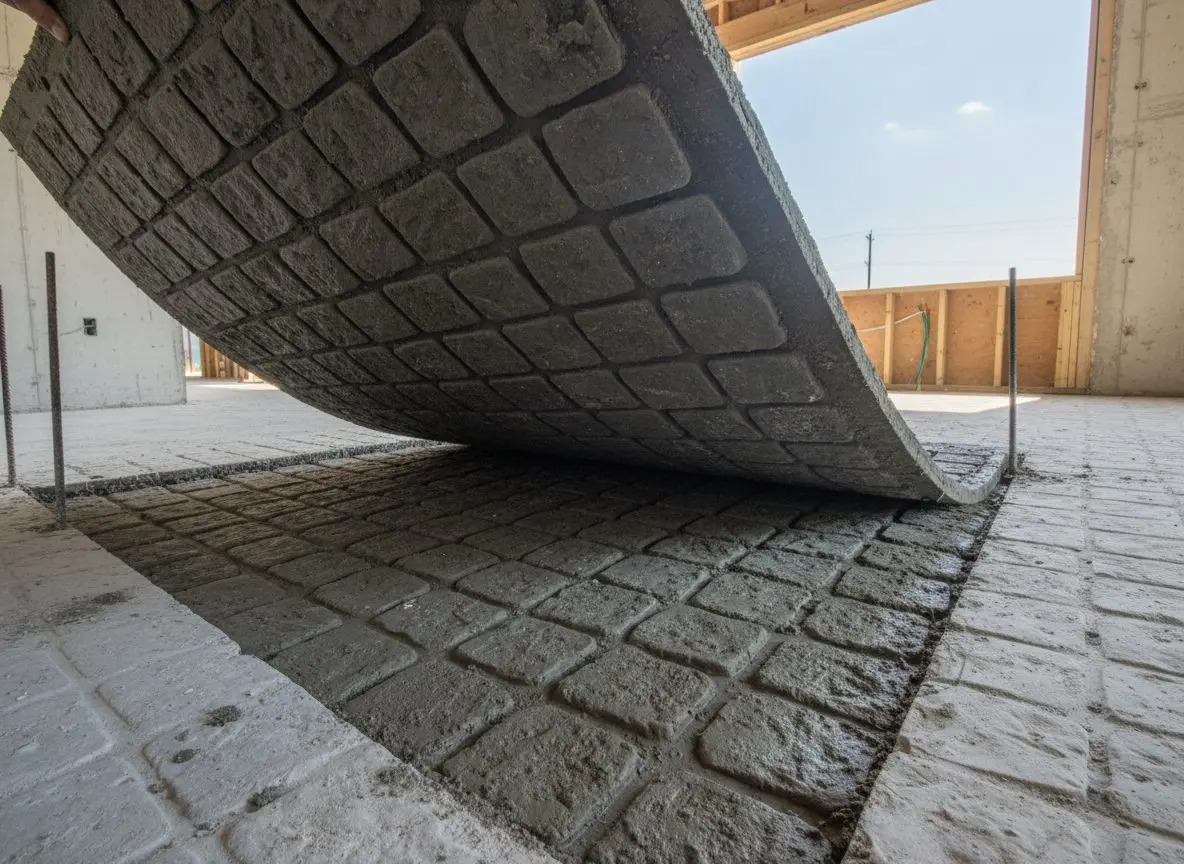
Every stamped surface is textured while the concrete is still plastic, mats set true to the pattern before the first is pulled, and every finish is sealed with a high-solids sealer rather than left bare, which keeps color from chalking under a full Arkansas summer.
Homeowners replacing a plain patio with something they will actually want photographed, and sellers upgrading a driveway or pool deck before putting the house on the market.
Ask Little Rock Concrete Elite about a free color and pattern consultation, at (501) 555-0168. You go from a slab you apologize for to one you show off to the neighbors!
Everything included in a decorative concrete job
Color, pattern and sealer are agreed and sampled before anybody pours.
- Stamped patios and driveways
- Acid and water-based staining
- Exposed aggregate walkways and pool decks
- Polished interior floors
- Color and pattern sample approval
- Sealing and resealing
- Pattern-matched control joints
Overlay the slab or pour new, which one you need
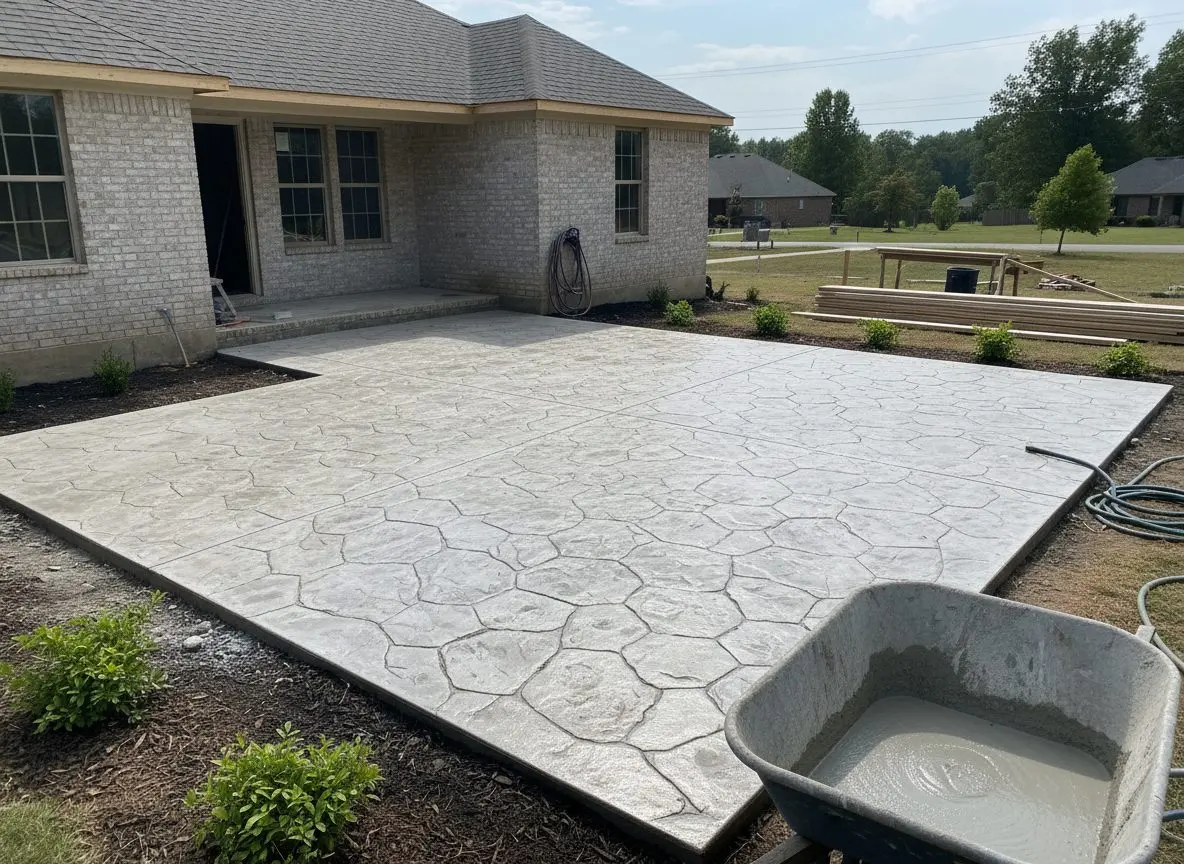
Most existing patios can take a decorative overlay without being torn out.
An overlay is right wherever the existing slab is structurally sound, meaning it is not cracked through, has not settled unevenly, and is flat enough for a thin decorative layer to bond to properly.
A new pour is what a cracked, settled or badly sloped slab actually needs, because a decorative overlay bonded to broken concrete only hides the problem for a season before the same crack telegraphs straight back through the new surface.
Little Rock Concrete Elite tells you which one on the site visit itself, including the times an old patio everyone assumed had to come out turns out to overlay just fine.
Color mixed into the batch, not brushed on after
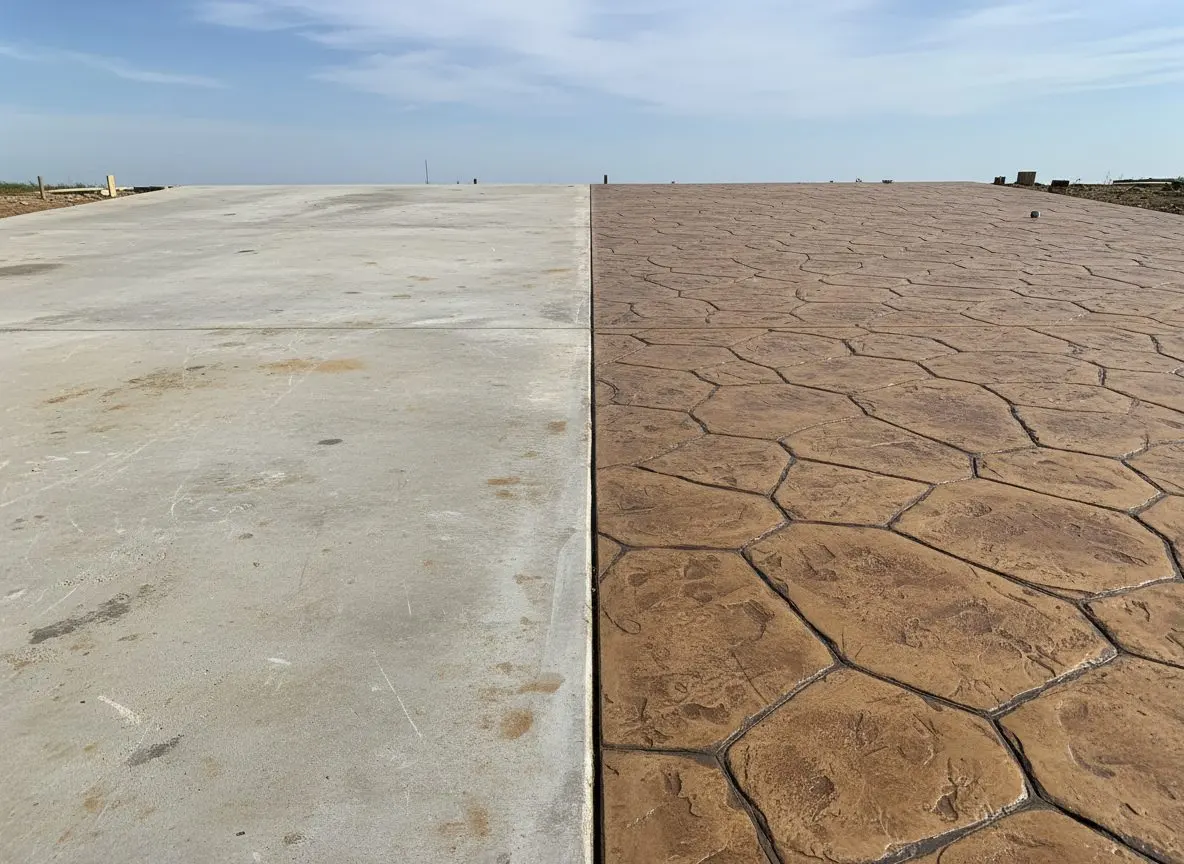
Integral color mixed into the batch, patterns set true, and a sealer built to hold up under full sun.
Color is integral, mixed into the batch before the pour, or applied as a broadcast hardener matched to a sample approved before work starts, rather than a surface dust that wears off within a season.
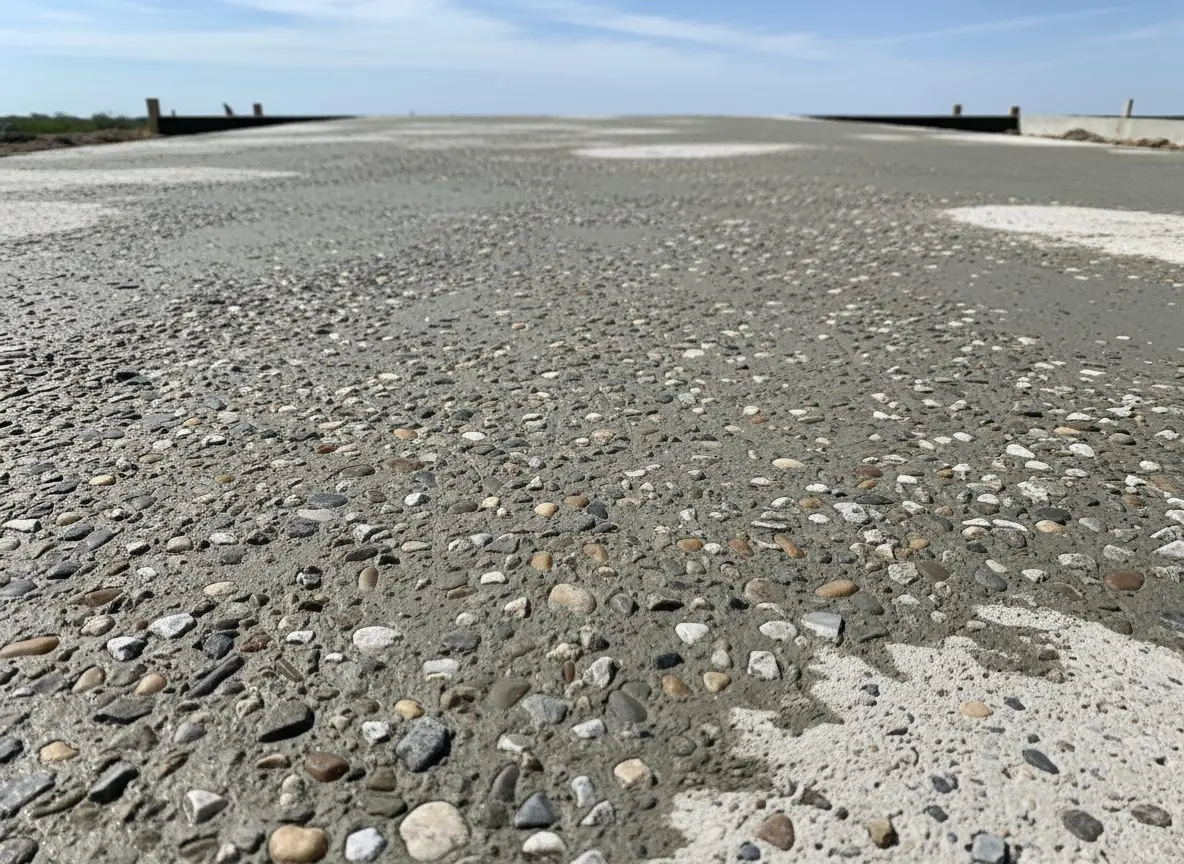
Stamped patterns are textured while the concrete is still plastic, with mats set true to a control layout so the joints between mats disappear into the pattern rather than reading as seams. Exposed aggregate is washed and exposed within hours of the pour, before the surface sets hard.
Every finish is sealed with a high-solids acrylic or a penetrating sealer once the slab has cured, and control joints are cut to follow the pattern's own grout lines rather than through the middle of a stamp.
- Integral color, mixed into the batch
- Mats set true before the first one is pulled
- Aggregate washed and exposed within hours
- High-solids acrylic or penetrating sealer
- Joints cut along the pattern's own lines
- Color matched to an approved sample first
Call Little Rock Concrete Elite for a free pattern and color consultation with samples in hand before anything is poured.
(501) 555-0168What actually decides what a stamped finish costs?
The steps above are the same on every job. What moves the number is the pattern, the color method and how much prep the existing surface needs.
- Overlay or new pour
- A decorative overlay on sound existing concrete costs less than removing it and pouring new, and is only an option where the slab underneath is not cracked or settled.
- Pattern chosen
- A basic slate or fieldstone pattern is faster to stamp than a tight cobblestone or a wood-plank pattern, and the extra time per square foot moves the price accordingly.
- Color method
- One integral color is the base price. A multi-tone acid stain with a hand-applied antiquing release adds labor hours a single flat color never needs.
- Size and detailing
- Curves, borders and cutouts around a pool, planter or step all add hand work that a plain rectangle of the same area does not, on top of the base square footage rate.
- Sealer specified
- A standard acrylic sealer is the base cost. A slip-resistant sealer for a pool deck or a penetrating sealer for heavy driveway traffic costs more but is built for that use.
- Surface prep needed
- A stain or overlay job on a clean, sound slab moves faster than one needing grinding, degreasing or crack repair first, and that prep is priced ahead of the color work.
Most of this only becomes clear once somebody has actually seen the surface and the pattern you have in mind, which is what the free consultation is for. Get a free quote
From your call to a cured slab
Most driveways and patios run five to ten days from the first call to a slab you can park or walk on.
Call Little Rock Concrete Elite for a free estimate, or ask for a callback the same day.
Get a free quoteWhat a stamped patio or driveway is worth when you sell
Photographs sell a listing, and plain concrete rarely makes the shortlist.
No published remodeling report isolates a resale percentage for decorative concrete, because studies like the Remodeling Impact Report price whole outdoor projects, such as a new patio or deck, rather than the finish applied to one.
What a stamped, stained or exposed aggregate surface does is change how a listing reads. It shows up in the photographs that get a showing booked, it reads as maintained where a plain, aging slab reads as a job put off, and it is not the kind of visible defect a home inspection flags the way a cracked driveway is. That perception is real, and it is also not a number anybody has measured, which is the honest limit of what can be said here.
What Arkansas sun and clay do to a decorative finish
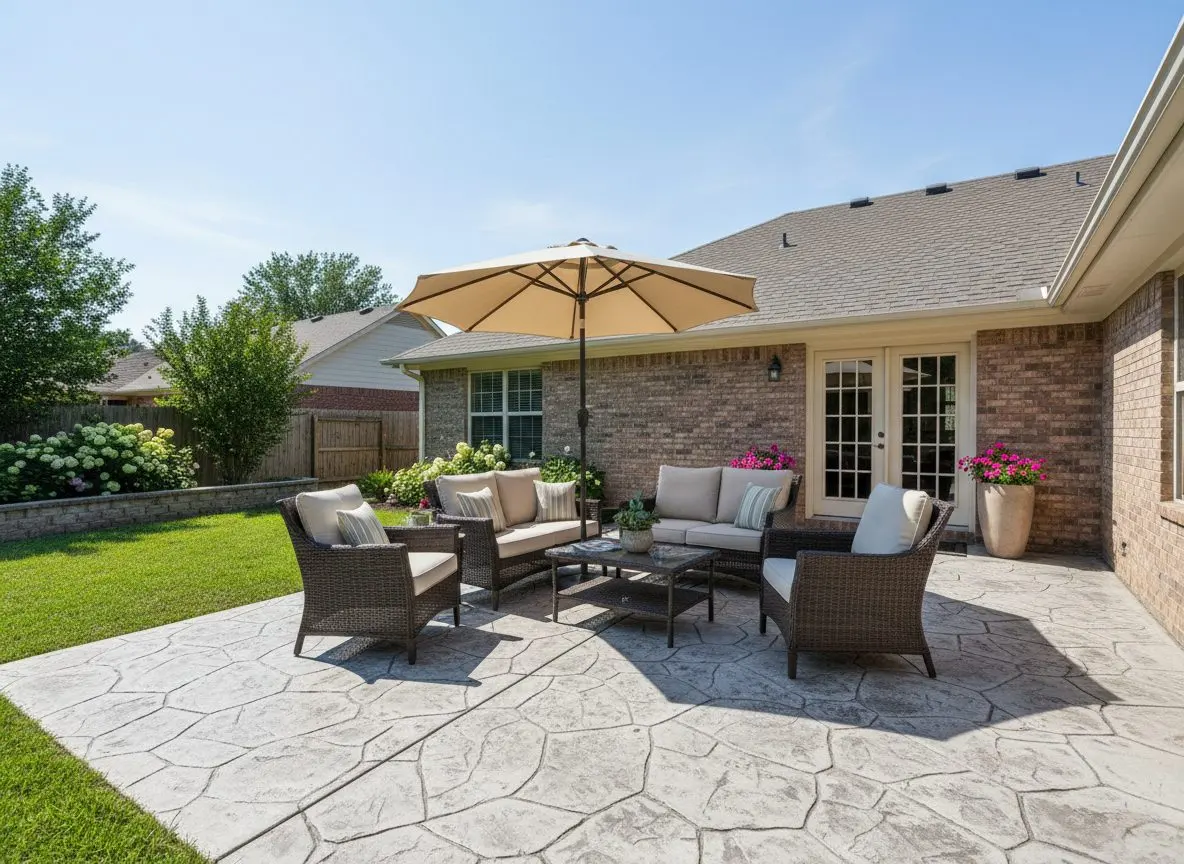
Long, hot summers fade an unsealed surface fast, heavy storms drive water under a poorly sealed slab, and clay movement can crack a pattern never jointed to allow for it.
- Long, hot summers fade color fast
- A full Little Rock summer of direct UV exposure chalks out an unsealed or under-sealed stained surface within a year or two, so every finish here gets a sealer rated for sun exposure rather than an interior-grade product sold as a one-size finish.
- Clay movement can crack a pattern
- The same expansive clay that moves a driveway moves a stamped patio, so control joints must follow the pattern's lines closely enough to catch that movement, or a crack eventually runs straight through the middle of a stamp instead of around it.
- Heavy storms test a sealer within the first year
- Central Arkansas's summer storms drive standing water onto a new stamped or stained surface within weeks of it being poured, so a sealer applied too early or too thin lets moisture through and clouds or peels within the first season.
Decorative concrete finished around Little Rock
Real finishes poured and stamped for homeowners across central Arkansas, not staged renderings.
-
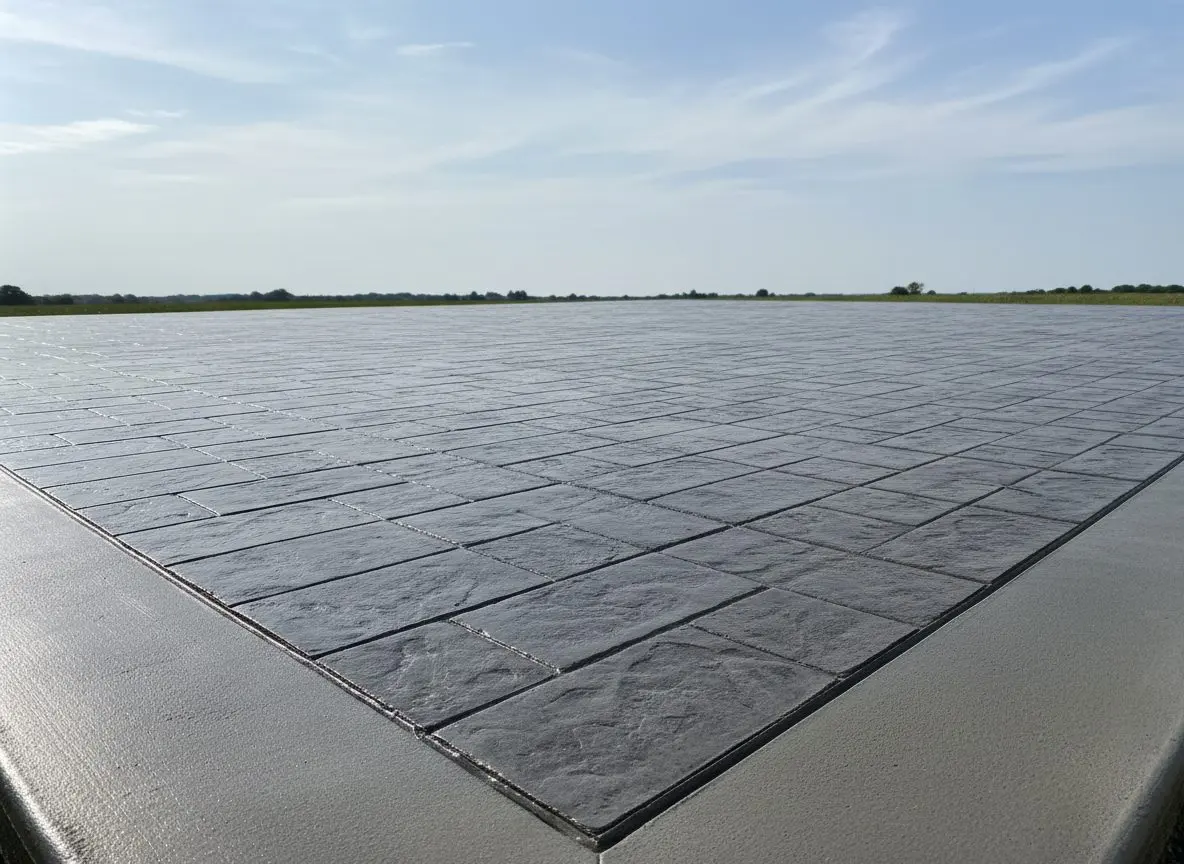
Stamped slate patio
Little Rock
A backyard patio stamped in an ashlar slate pattern with an integral charcoal color, sealed before the first summer.
-
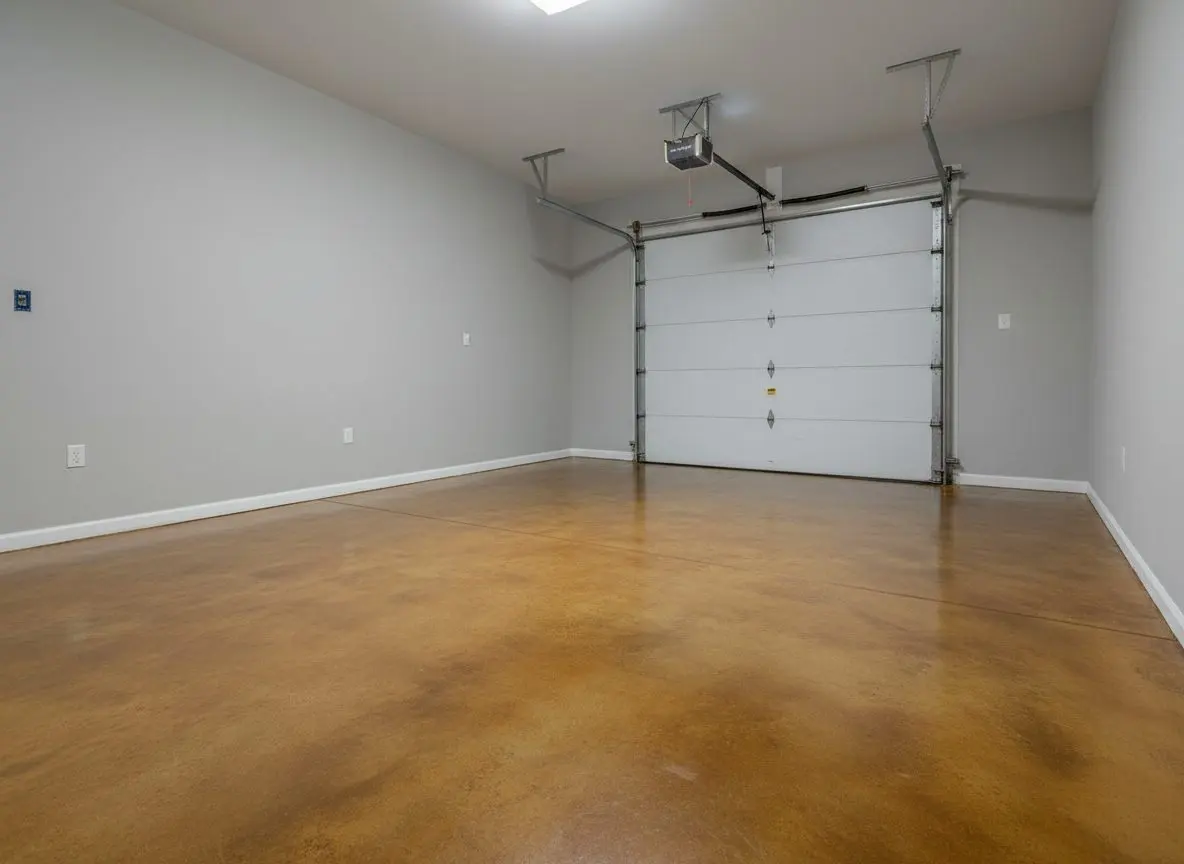
Acid-stained garage floor
Maumelle
An existing garage slab acid stained in a mottled amber tone throughout and sealed with a high-solids finish.
-
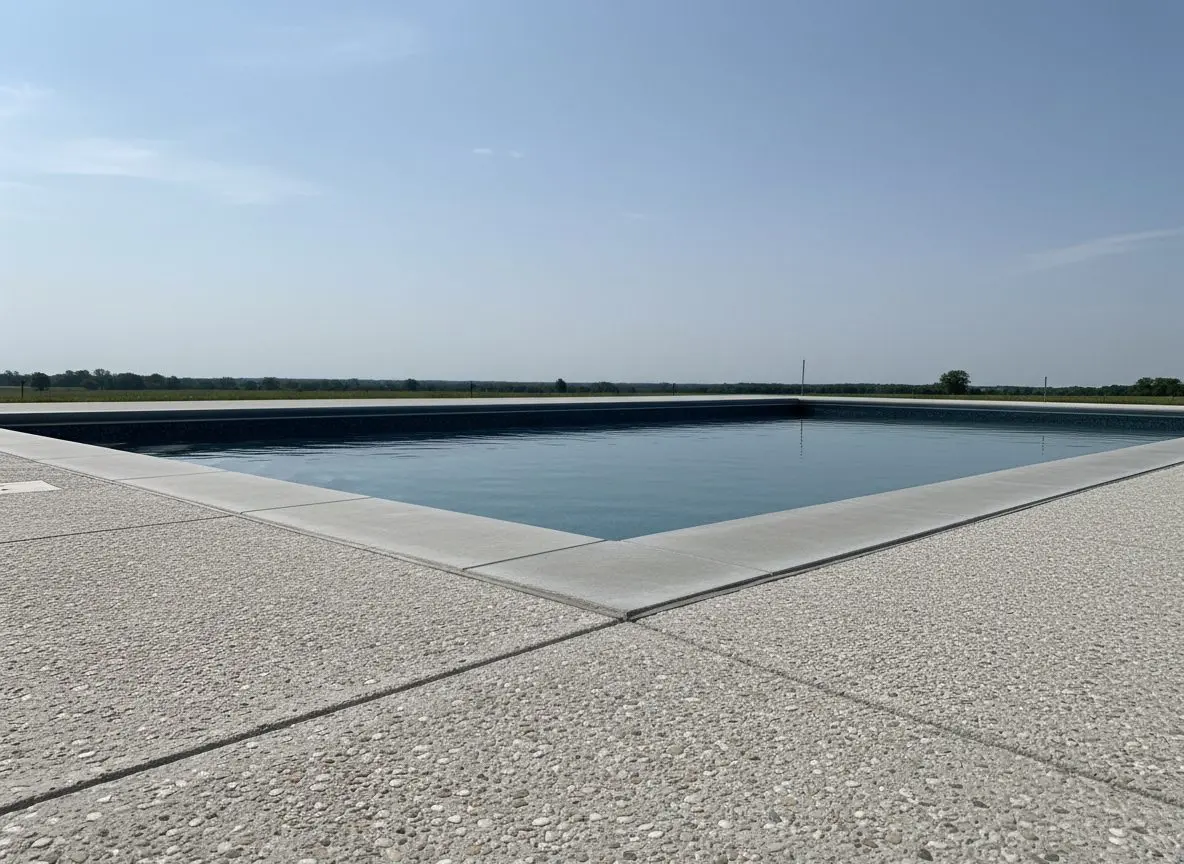
Exposed aggregate pool deck
Bryant
A pool deck finished in exposed river gravel aggregate, chosen for real grip underfoot around standing water.
-
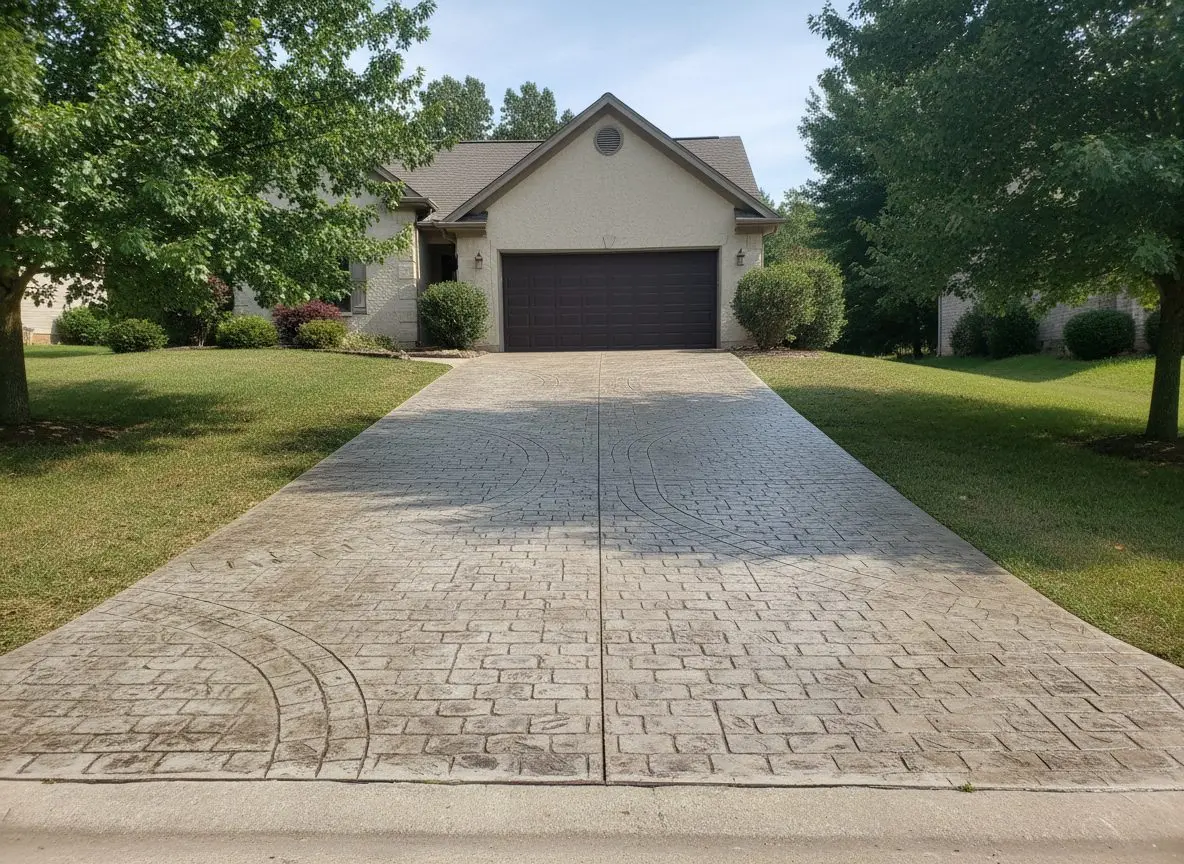
Stamped cobblestone driveway
Conway
A full driveway stamped in a cobblestone pattern with a broadcast color hardener, joints cut to the pattern lines.
-
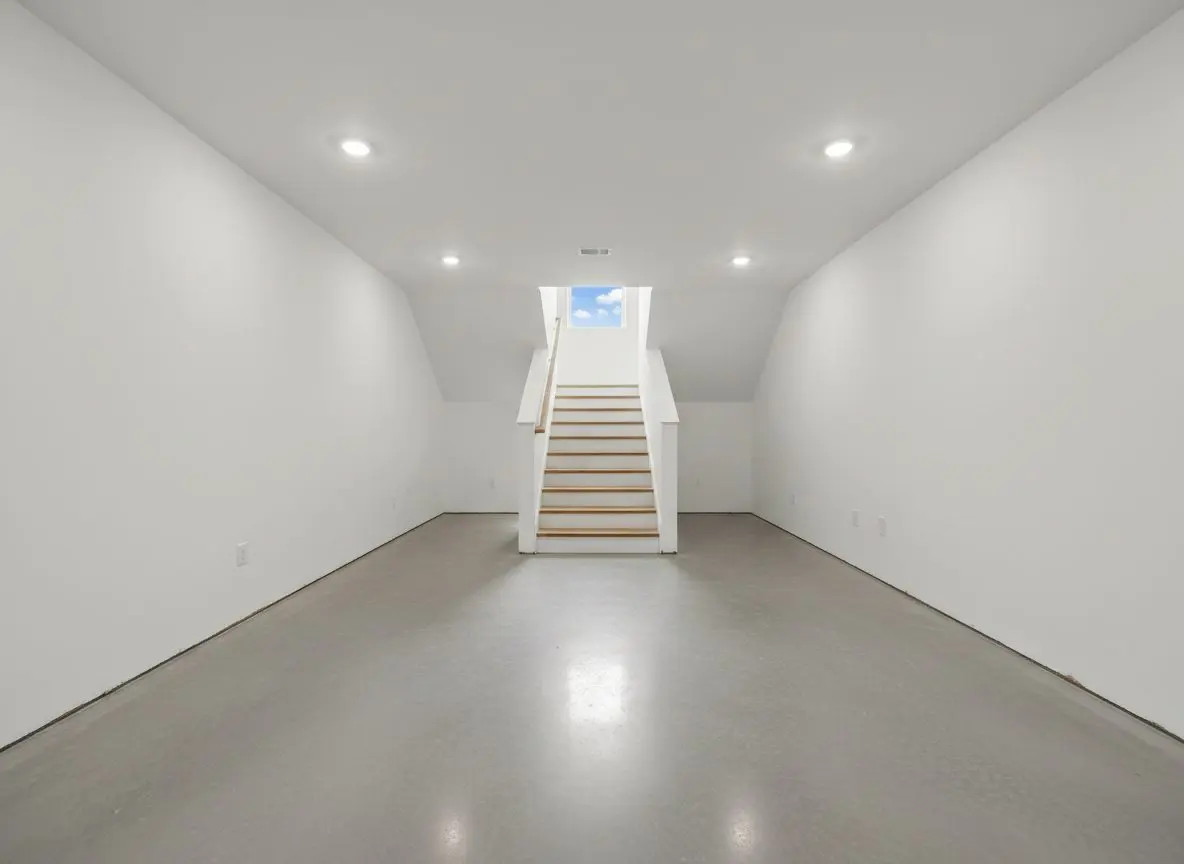
Polished basement floor
North Little Rock
A basement slab ground and polished to a satin finish as part of a full below-grade living space conversion.
-
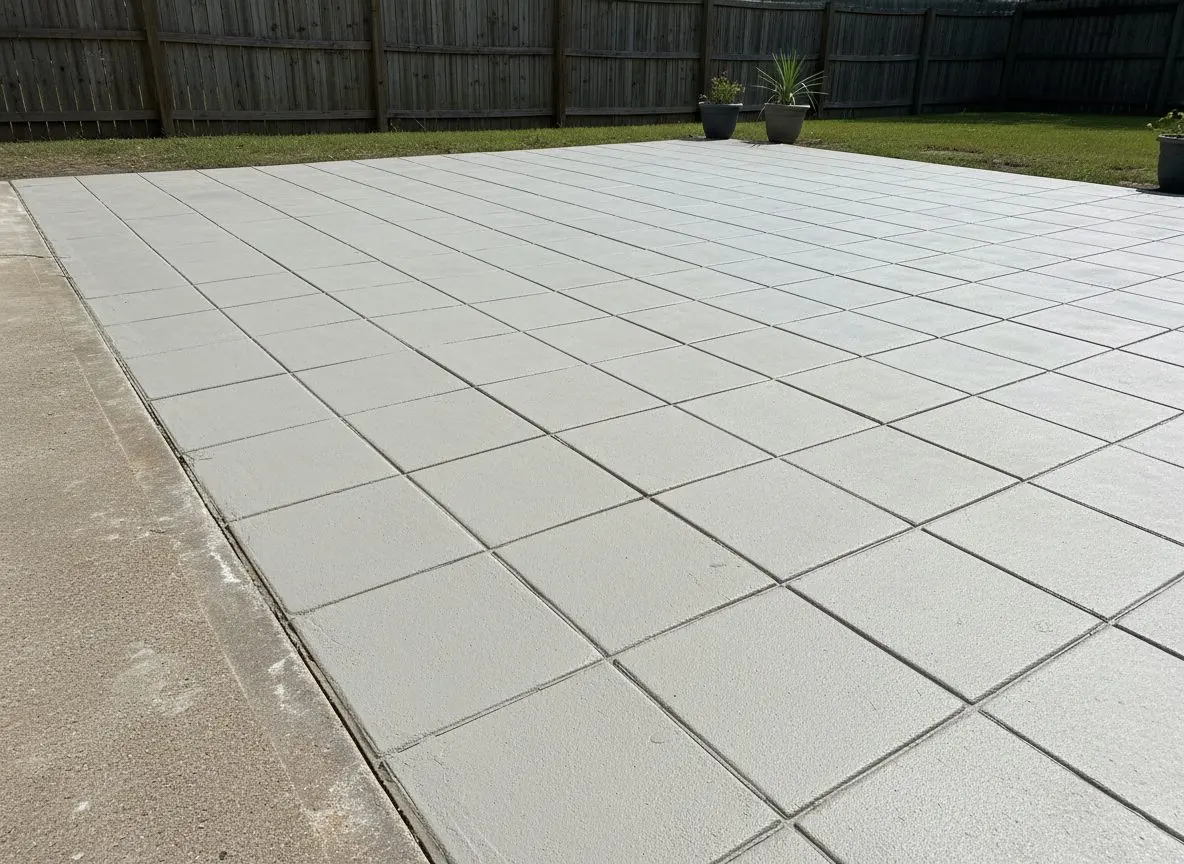
Overlay resurfacing
Sherwood
A worn but sound patio slab resurfaced with a new stamped overlay instead of being torn out and repoured entirely.
What customers said after the finish was sealed
-
Rated 5 out of 5
Stamped patio in a slate pattern. The color looked wrong to me the first week and they told me to leave it until the sealer had cured. They were right and it settled down to what we picked.
Roseanne T. Conway Stamped patio -
Rated 5 out of 5
Stained floor in a garage we converted. They put samples down on an offcut and left them a few days so we could see them in the light that room actually gets before we committed to one.
Wesley N. Benton Stained concrete floor -
Rated 5 out of 5
Resurfaced a pool deck that got too hot to stand on. They talked us out of the darker color we had chosen for that exact reason, which they did not have to do. Barefoot out there in August now.
Dolores M. Little Rock Pool deck resurfacing
Tell us what the concrete is doing and someone will come out and look at it before you commit to anything.
Get a free quoteFAQs
Frequently asked questions
Common questions about decorative concrete
Can you stamp or stain a patio we already have?
In most cases, yes, as long as the existing slab is structurally sound with no real cracking or settlement. We check the surface on the visit and tell you honestly whether an overlay will work or whether it needs a new pour first.
Does the price include sealing, or is that extra?
Sealing is included on every decorative job we finish. A stamped, stained or exposed aggregate surface left unsealed fades and chalks out within a season under Arkansas sun, so it is never treated as an optional add-on.
How long before we can walk on a new stamped patio?
A stamped patio can usually take foot traffic within two to three days and vehicles, if it is a driveway, after about a week, once the sealer has been applied and had time to cure. Full color depth settles in over the following month.
Should we overlay the existing slab or pour new?
It comes down to whether the existing concrete is sound. A slab with no real cracking or settlement usually takes an overlay well; one with structural damage needs a new pour, because a decorative layer will not hide a crack for long.
What makes one stamped job cost more than another?
The pattern chosen, the color method, and how much prep the existing surface needs. A tight cobblestone pattern with a multi-tone acid stain costs more than a simple slate pattern in a single integral color of the same size.
How long is the patio or driveway out of use?
Expect the area closed off for three to five days from pour to sealed surface, longer if the pattern is complex or the weather slows curing. An overlay on an existing slab is usually faster since there is no excavation involved at all.
What is the difference between color and acid stain?
Integral color is mixed into the concrete before it is poured and gives a flat, even tone. Acid stain reacts with the cured concrete afterwards and produces mottled, variegated color that looks closer to natural stone. Both are sealed the same way once applied.
Do you need the area cleared before you start?
Furniture, planters and anything else sitting on the surface needs to be moved before work starts, and the area stays off limits to all foot and vehicle traffic while the fresh concrete cures and the sealer sets and hardens fully.
Does the color fade over time?
Some UV mellowing happens over the years even with a good sealer, which is normal. The main defense against real fading is resealing on schedule, roughly every two to three years under full Arkansas sun, before the existing sealer wears thin.
How often does a sealer need reapplying?
Roughly every two to three years for a surface in full sun, sooner for a driveway that sees regular vehicle traffic and de-icing salt in winter. A sealer that has gone dull or lets water soak in rather than bead is due for another coat.
Can you do exposed aggregate for a pool deck?
Yes, and it is one of the more common requests for a pool deck specifically, because the exposed stone gives real grip underfoot when the surface is wet, which a smooth broom or stamped finish does not provide on its own.
What if the surface gets scratched or chipped later?
A small chip or scratch can usually be color-matched and touched up rather than the whole section redone, as long as the original color and sealer batch information is on file, which is why we record it for every job we finish.
Little Rock Concrete Elite
Pouring concrete across central Arkansas since 2011.
Little Rock Concrete Elite pours driveways, patios, foundations, garage slabs and steps across Little Rock and the surrounding towns of central Arkansas, along with repair, resurfacing and decorative finishes like stamped and stained concrete for slabs already showing their age.
Why call Little Rock Concrete Elite for the pour?
- Pouring driveways, patios, foundations and repairs since 2011
- A written quote naming the mix, thickness and joints, not a guess
- Same day callback on every call
- General liability and workers compensation cover on every job
- Crews who build for Arkansas clay and heat, not against them
Central Arkansas's clay soil moves every slab poured on it, and the difference between a driveway that lasts and one that cracks at the joints within a year is what goes in before the truck ever arrives. Little Rock Concrete Elite has been getting that part right in Little Rock since 2011. Call (501) 555-0168 for a free estimate, or ask for a same day callback.
Give us a call
office@littlerockconcreteelite.com
Send us a message
400 W Capitol Ave, Ste 1700, Little Rock, AR, 72201
Where to find us